
Introduction
Digital transformation poses a critical question for companies: which technology architecture should you choose to stay flexible, secure, and competitive? One of the key decisions is between the three main models for software and infrastructure: SaaS, PaaS, and on-premise. Each option offers different levels of control, flexibility, and maintenance responsibility.
To illustrate the differences, we will use an example of a content management system (CMS) and a corporate website.
SaaS: Ready-to-Use Solution with Minimal Maintenance
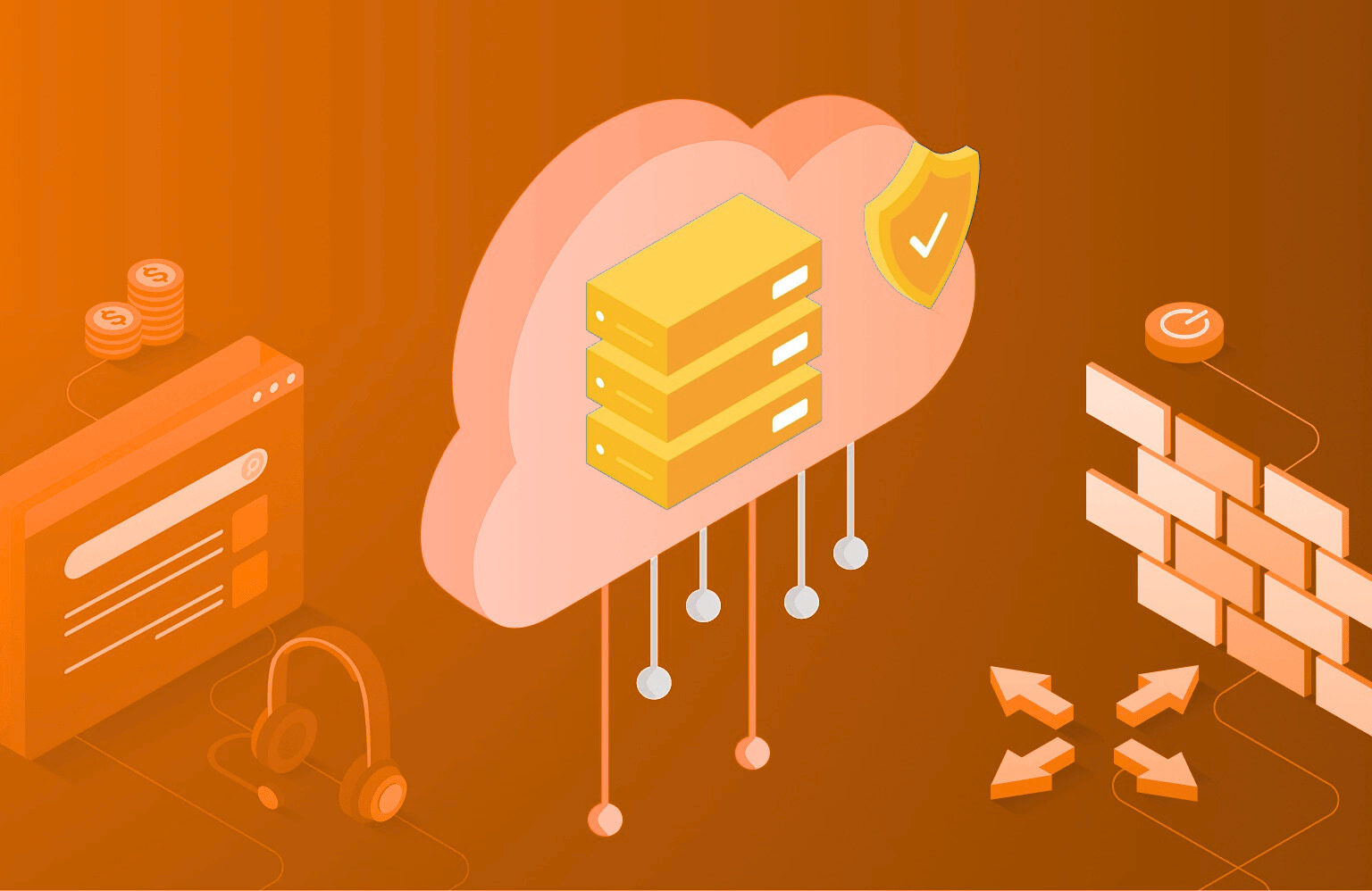
SaaS delivers cloud-based software where the provider manages the infrastructure, operating systems, security, and updates.
This allows organizations to focus on content, business processes, and outcomes.
SaaS is ideal for quick deployment, easy scalability, and reducing operational complexity.
When it’s suitable:
- You need rapid deployment with minimal technical maintenance;
- You want predictable costs; • Your business requires easy scalability.
Points to consider:
- Customization options may be limited;
- You depend on the provider’s roadmap and updates;
- Updates may require additional checks and testing.
With a SaaS-based CMS, everything from hosting to security is managed by the provider, saving resources but limiting flexibility for individualized solutions.
PaaS: Flexibility Without Infrastructure Hassle
PaaS provides a managed platform for developing, testing, and deploying applications.
The provider maintains the infrastructure, operating systems, and runtime environment, allowing teams to focus on coding and innovation.
PaaS is ideal for organizations that need more flexibility than SaaS but want to avoid the high costs and complexity of on-premise setups.
When it’s suitable:
- You need more freedom for integrations and development;
- You work with specialized applications or architectures;
- You have a technical team or technology partner.
Points to consider:
- Requires higher technical competence compared to SaaS;
- Additional costs may arise for logging, CI/CD, testing environments, etc.;
- Applications may need adjustments after platform updates.
For a CMS on PaaS, the client or partner installs and manages the application itself, while the provider maintains the platform and underlying infrastructure.
On-Premise: Full Control and Sovereignty
On-premise means all systems and data run in your own infrastructure. This model offers maximum autonomy and complete control but requires significant resources for maintenance, security, and capacity.
When it’s suitable:
- You have strict regulatory and security requirements;
- You need deep customization and specific integrations;
- You have sufficient technical capacity and budget.
Points to consider:
- Requires substantial investment in hardware and personnel;
- You are fully responsible for maintenance, updates, and security;
- Scaling may be slower and more resource-intensive.
On-premise is often preferred by organizations in highly regulated sectors – finance, public administration, healthcare – where control over data is critical.
Conclusion
Choosing between SaaS, PaaS, and on-premise is not a one-size-fits-all decision – it depends on:
- Business scale;
- Internal technical capabilities;
- Budget and timeline;
- Regulatory and security requirements;
- Long-term strategy.
SaaS is suitable for a quick start, minimal costs, and reduced operational commitments.
PaaS offers a balance between control, flexibility, and operational efficiency.
On-premise remains the preferred choice when full autonomy over infrastructure and data is required, especially in environments with the highest regulatory and security demands.
Often, the optimal approach is a hybrid strategy that combines the best of all three models, tailored to the specific systems and business processes involved.